
What Does It Take to Build a Car for the World? Inside the Technology Story Behind Chery
A car designed for Australia has to cope with more than a showroom floor. It needs to handle city traffic. Long commutes. Hot summer days. Highway driving. Family life. Weekend escapes. And the expectations of drivers who have more choice than ever before.
Now imagine trying to develop one automotive brand for drivers across dozens of countries, each with different roads, regulations, climates and expectations. That's a very different engineering challenge. And it raises an interesting question: What does it actually take to build a car for the world?
The answer helps explain the story behind a brand that many Australian drivers are only now getting to know.
It Starts With a Problem Most Drivers Never See
When you look at a new car, you see the finished product. The dashboard. The seats. The wheels. The screens. The bodywork. You don't see the years of engineering behind them. You don't see the engineers working on powertrains. You don't see the safety testing. You don't see the software development. You don't see the battery research. You don't see the thousands of decisions that have to work together before a vehicle reaches a showroom. That invisible work is where the real automotive story begins. And it is one of the reasons understanding a manufacturer can tell you more than looking at a badge.
Chery's Answer: Build the Technology Capability Behind the Car
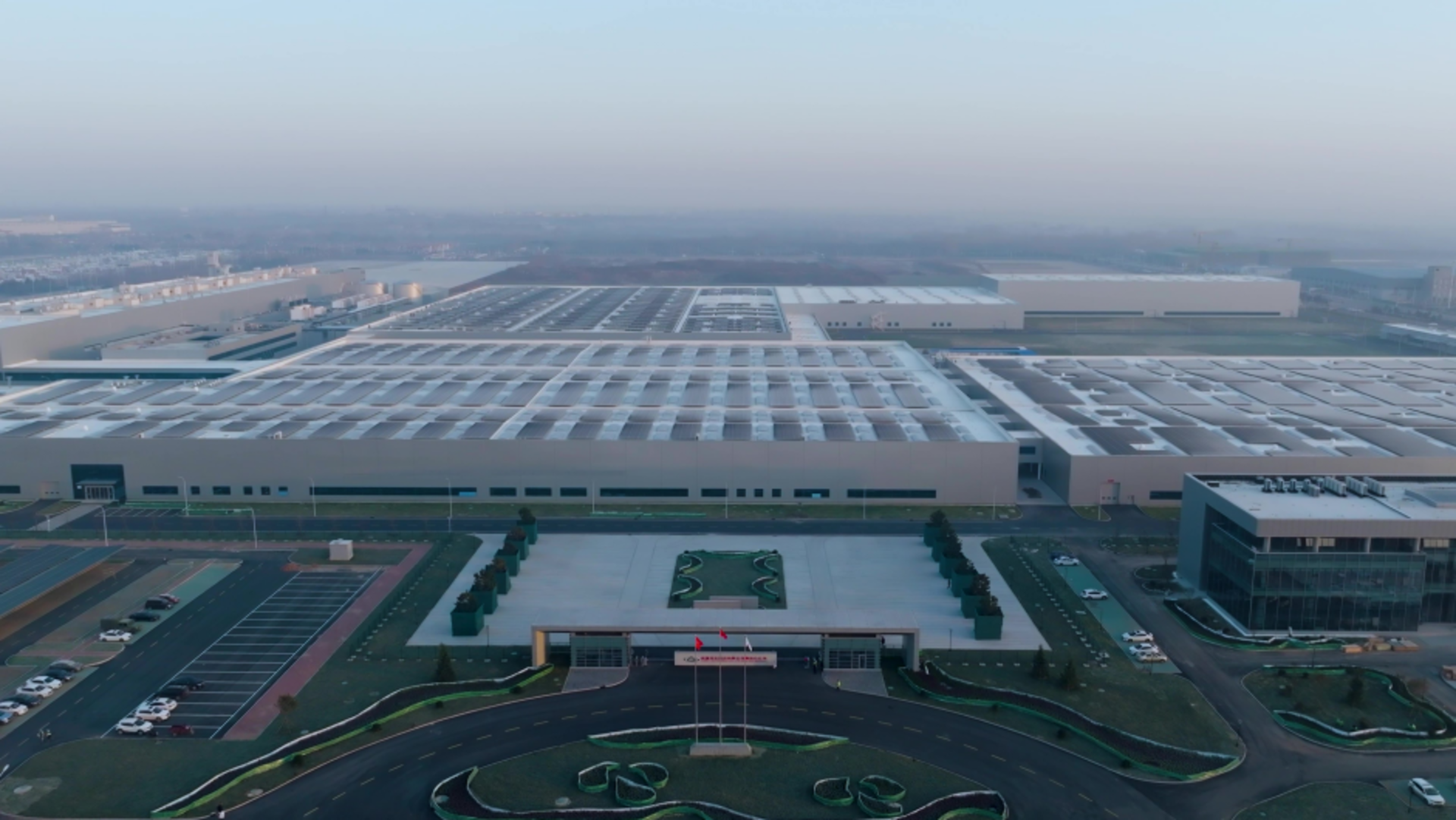
Chery was founded in 1997 and has grown into a global automotive manufacturer exporting to more than 80 countries and regions. But one of the more revealing numbers isn't its vehicle sales. It's its investment in research and development. Chery has R&D centres in China, Germany, the United States and Brazil, supported by a global innovation team of more than 5,500 R&D specialists. The company also says it has secured more than 29,000 patents. Why does that matter? Because the technology in a modern car doesn't appear by accident. It comes from years of engineering, testing and refinement.
The Global R&D Network
Think about the challenge. A vehicle developed for one market has to satisfy one set of requirements. A global vehicle has to satisfy many. That means engineers have to think about different:
- Driving conditions
- Safety requirements
- Climate conditions
- Emissions regulations
- Customer expectations
- Road environments
- Technology preferences.
Chery's global R&D network gives the company access to expertise across multiple regions rather than relying on a single development environment.
This is the Global Development Loop: Research → Engineer → Test → Adapt → Improve → Deploy
It is not a marketing feature. It is the process behind trying to make vehicles work in different parts of the world.
And the Technology Is Changing
The automotive industry isn't standing still. The definition of a modern vehicle has changed dramatically. It is no longer simply an engine, transmission, four wheels and a steering wheel. Today's vehicles increasingly combine:
- Electrification
- Connectivity
- Intelligent systems
- Driver assistance
- Advanced safety technology
- Software
- Energy management.
Chery has been investing in these areas as part of its broader technology strategy. Its recent R&D investment increased by more than 25% year-on-year, while the company continues to expand its new-energy vehicle development. That's important because the cars being developed today are shaping what drivers will expect tomorrow.
Take Hybrid Technology
Hybrid vehicles are a good example of how much engineering can sit beneath something that looks relatively simple from the driver's seat. Chery's Super Hybrid technology combines a dedicated hybrid engine with its Super Hybrid DHT system.
The current system uses a fifth-generation 1.5TGDI dedicated hybrid engine, a Super Hybrid DHT and a lithium iron phosphate blade battery. The point isn't that every driver needs to understand the engineering. You don't need to know how a hybrid transmission works to drive one. But understanding the development behind it changes the question. Instead of: “Is this just another hybrid?” you can ask: “What technology is actually underneath it?”
Battery Technology Is Moving Too
The same principle applies to electric vehicles. Range, charging time, battery life and safety are not simply numbers on a specification sheet. They are engineering problems.
In 2026, Chery unveiled its next-generation Rhino battery technology, targeting faster charging, long battery life and additional safety measures. The system is designed around three layers of protection combining materials, structural protection and cloud-based monitoring.
Whether or not you are ready to drive an electric vehicle today, tells you something about where automotive development is heading. And it also tells you something about the companies investing in that future.
Technology Only Matters When It Works for People
There is an important trap in talking about automotive technology. It's easy to become obsessed with numbers. Battery capacity. Charging speed. Power output. Screen size. Processing power. Patent counts. But none of those things matter much if the resulting vehicle isn't useful to the person sitting behind the wheel. Technology has to disappear into the experience. A good driver shouldn't need to think about the engineering every time they accelerate. A family shouldn't need to understand battery chemistry to appreciate a vehicle that makes their journey easier. And a driver shouldn't have to become an automotive engineer to benefit from intelligent technology. The real test is what happens when the technology meets everyday life.
That's Where Australia Matters
A global vehicle still has to work locally. Australian drivers don't experience the same roads, climate or driving patterns as every other market. That's why local testing, adaptation and support matter. Chery has continued expanding its Australian range and local operations as the brand grows here. And that growth has been substantial. Chery Australia sold 34,889 vehicles in 2025, representing a 176% increase year-on-year. That means the technology story isn't something happening on the other side of the world with no connection to Australian drivers. It is already arriving in vehicles being driven here.
From Global Technology to the Car in Your Driveway
This is perhaps the most interesting part of the Chery story. The badge on the front of the car doesn't tell you how much engineering sits behind it. It doesn't tell you where the research was done. It doesn't tell you how many iterations went into the powertrain. It doesn't tell you how the safety systems were developed. And it certainly doesn't tell you what the manufacturer is working on next. To understand that, you have to look behind the badge. That's where the story gets much bigger.
So What Is Chery Trying to Become?
Chery is a technology-driven company focused on innovation, connectivity, electrification and intelligent vehicles. The global R&D network and increasing investment in new-energy technologies will tell you the company isn't simply trying to sell more of the cars we already make. We are building toward what comes next. And that changes the way you might think about the brand. Rather than asking: “Is Chery an established car brand?” a more useful question may be: “What is this company building for the next generation of drivers?”
The Best Way to Find Out Is to Drive One
Technology can be explained. Specifications can be compared. Awards can be listed. But there is one thing an article can't tell you: What a Chery feels like from the driver's seat.
That's where the showroom comes in.
At Chery Melbourne City, you can explore the current Chery range, ask the questions that matter to you and experience the technology for yourself. You don't need to decide that Chery is right for you before you arrive. You just need to be curious enough to take a closer look.
Explore the Chery range at Chery Melbourne City and book a test drive.

